Twenty books I enjoyed: Patrick O'Brian edition
- Published
- 26 August 2026
- Tagged
The wheel turns, the seasons change, and it's time for more books. But this one's a bit of a weird one. For the entirity of the last six months I've been reading one author and one author only: Patrick O'Brian.
Let me explain. No, there is too much. Let me sum up.
I've been vaguely aware for some time that despite my complete disdain for a number of neighbouring elements (viz: the British Empire, gender-segregation, military service, heights, any amount of water more than about three metres in depth) I greatly enjoy the occasional naval fiction story. In English literature, these take a few archetypical forms, none more romantic than Napoleonic naval fiction. Britain loves to be the bulwark against which the forces of tyranny throw themselves[1], and if you gave me a nickel every time the Island Fortress of Albion ended up holding out against a continental foe of overwhelming power, well, I'd have two nickels I guess, but it's still more than you'd expect.
I read all of C. S. Forester's Hornblower series in 2020. The books vary in quality but despite this there's something about the pattern of the action - the seemingly intractible problem, the confluence of various factors, all of which believably blend together to make the situation unique, the protagonist's handling of them, their consummate knowledge of their environment and the tools at their disposal, and how they react to the various obstacles that throw themselves in their way - that fascinated me. Hornblower, of course, is a consummate ship's captain: having worked his way up through the ranks he has an intimate knowledge of how the ship works and what everyone's role is, as well as being charismatic enough to inspire loyalty in his followers.
This formula for adventure fiction isn't new, but I think the application to Victorian naval life in general, and to the Napoleonic Wars in particular, is a great fit. Hornblower, it seems, is an inspiration for all sorts of mid- and late-twentieth century works and characters in the adventure and military fiction space.
Despite this, I find Forester's work starts to fall flat later in the series. The books lapse into formula: Hornblower is given a mission, he goes off to face it, he solves it, sometimes there's a further complication to be settled, he returns, a promotion occurs. (This is broken up occasionally, but I still found it to be generally true.) Hornblower has few flaws, and those he has seem to be almost papered over by the plot in cases. (While he has a couple of ill-fated romantic liaisons, for example - a first wife who he sours on, and a mistress who causes him some distress given the extramarital nature of their relationship - these are both cleared up by deaths due to illness and ill-adventure respectively. No need for Hornblower to actually own up to the failings of his own person!) Added to this, Forester actually started the series halfway through, writing through Hornblower's career before looping back around to finish up with the character's earlier years. This means you start the series (assuming you read in chronological order) reading the work of a more experienced Forester, with more skill writing. You get three or so books before suddenly you switch to his earlier work, and a more clunky, less readable style. I still enjoy Forester, but some books definitely fly higher than others.
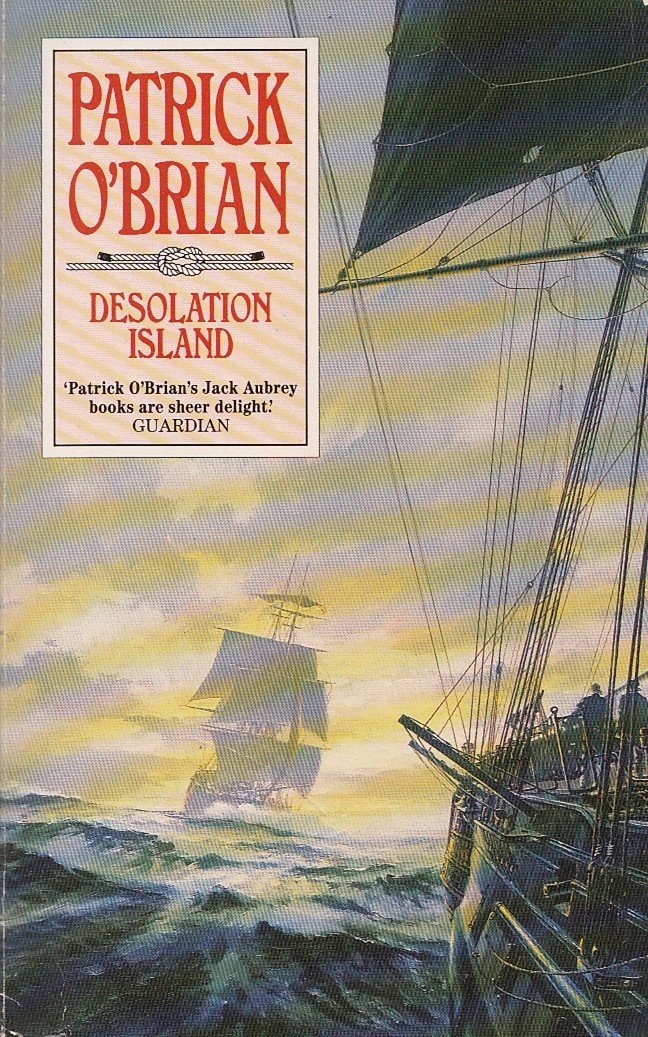
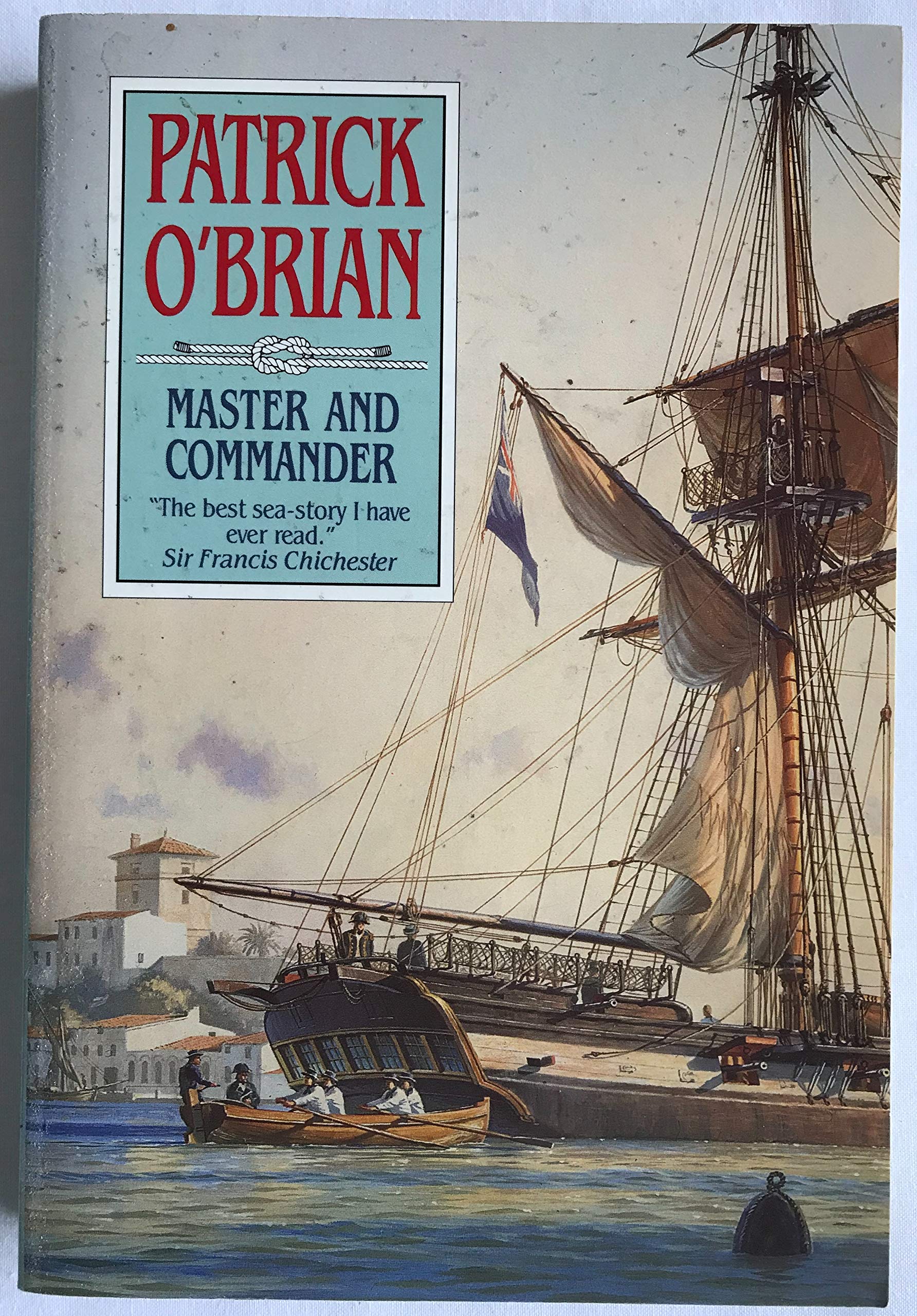
At the start of this year I was reminded - for no reason I can now determine - of the Russel Crowe movie Master and Commander[2]. I knew nothing about the film, except (1) it was a naval film, and (2) it had Russel Crowe in it. But with ten seconds of research I determined that it was based on one of a series of Napoleonic War novels. Apparently five years is enough for me to remember with fondness my experiences with Hornblower, so I decided to see how this O'Brian guy approached naval fiction.
Reader, I've been doing it ever since.
The scene setting
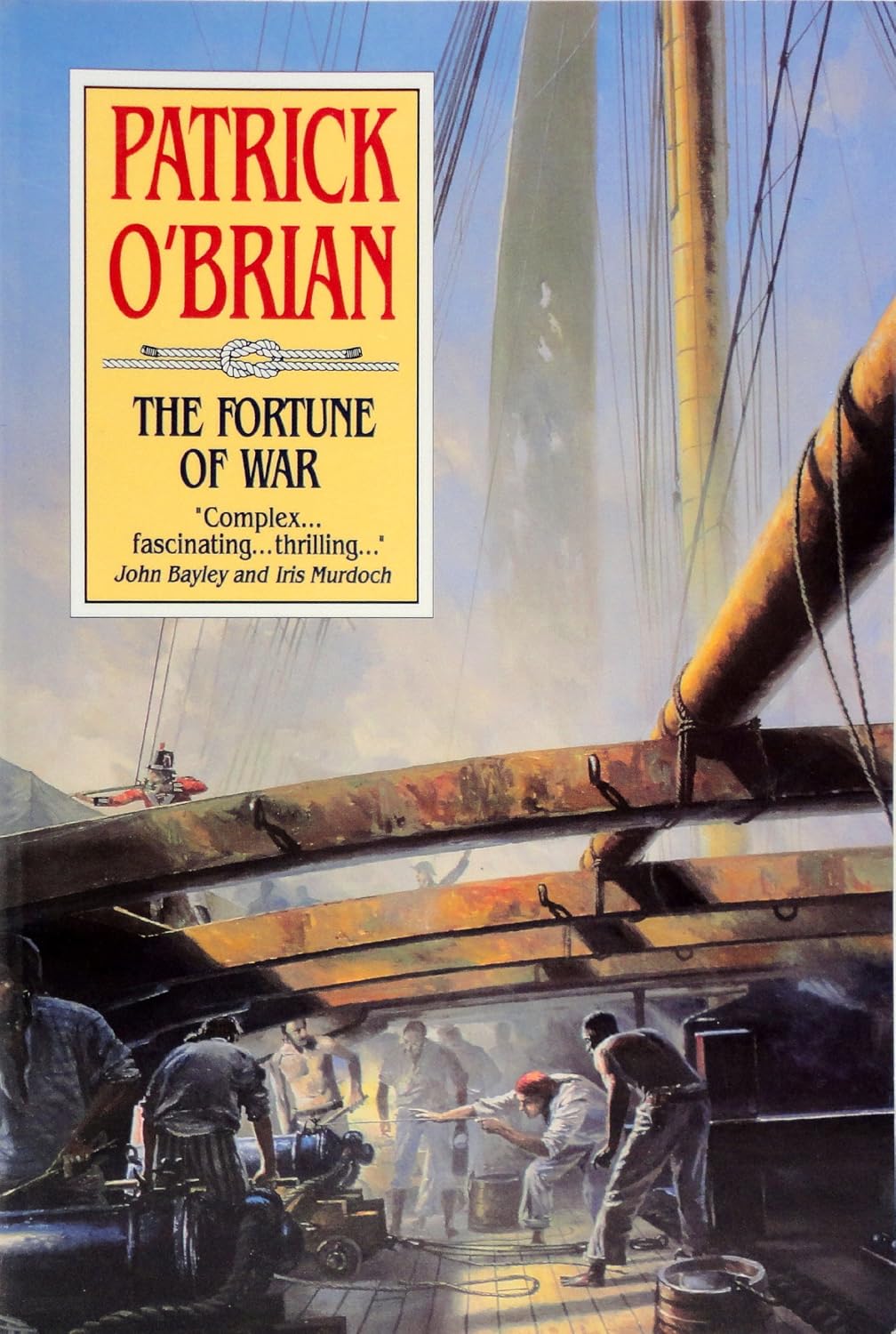
The series starts with the chance meeting of two characters: Jack Aubrey, a down-on-his luck commander[3] without a commission, and the taciturn and similarly down-on-his luck Doctor Stephen Maturin, in the naval port of Minorca, one of England's strongholds in the Mediterranean during the War of the Second Coalition. Both almost end up challenging each other to a duel, but instead hit it off over their combined passion for music, and when Aubrey finally receives a commission not long after, he asks if Maturin would like to enlist as the ship's doctor. Maturin, skirting bankruptcy, agrees, and the two embark on a series of voyages that will cement a lifelong friendship.
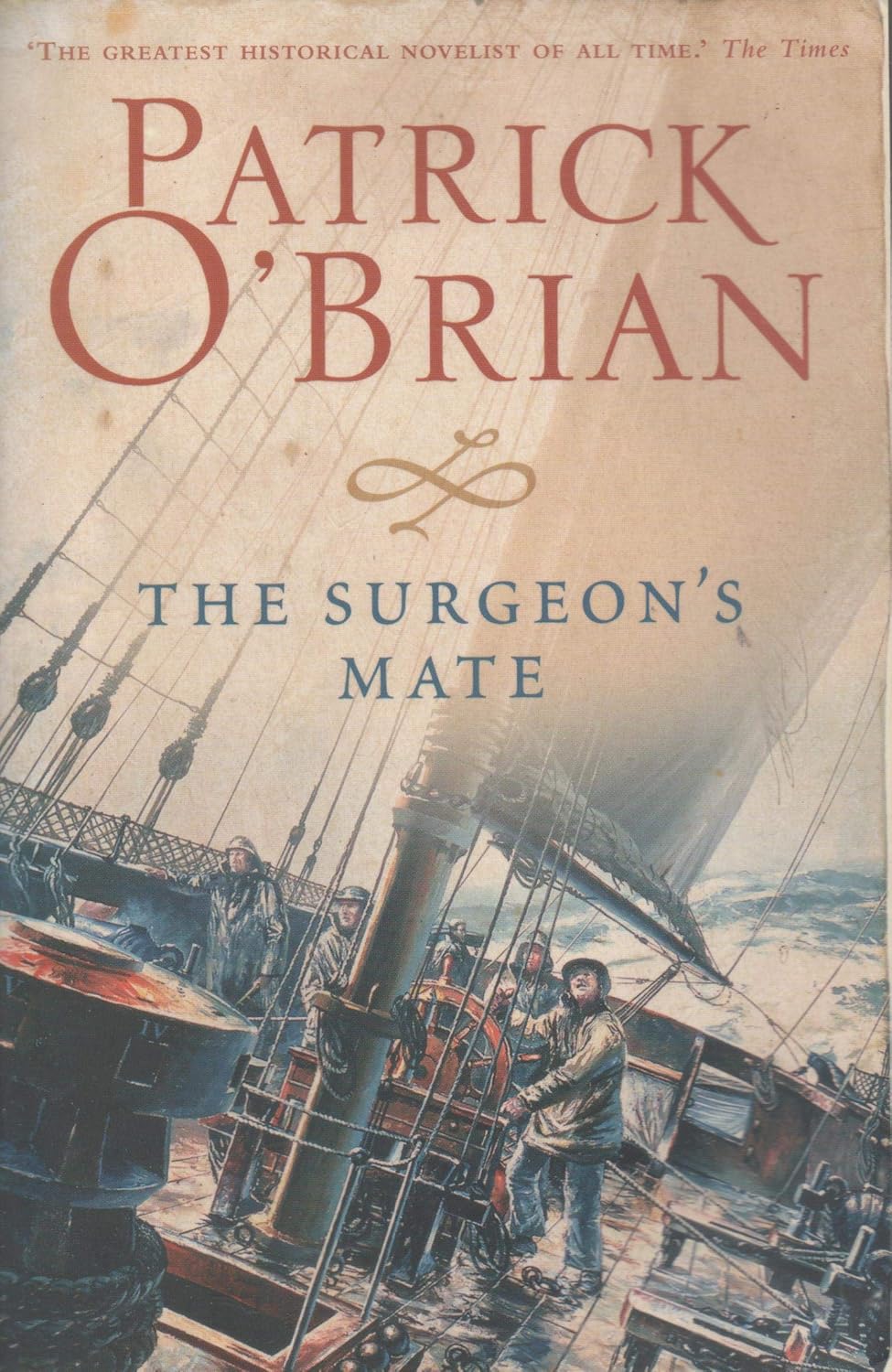
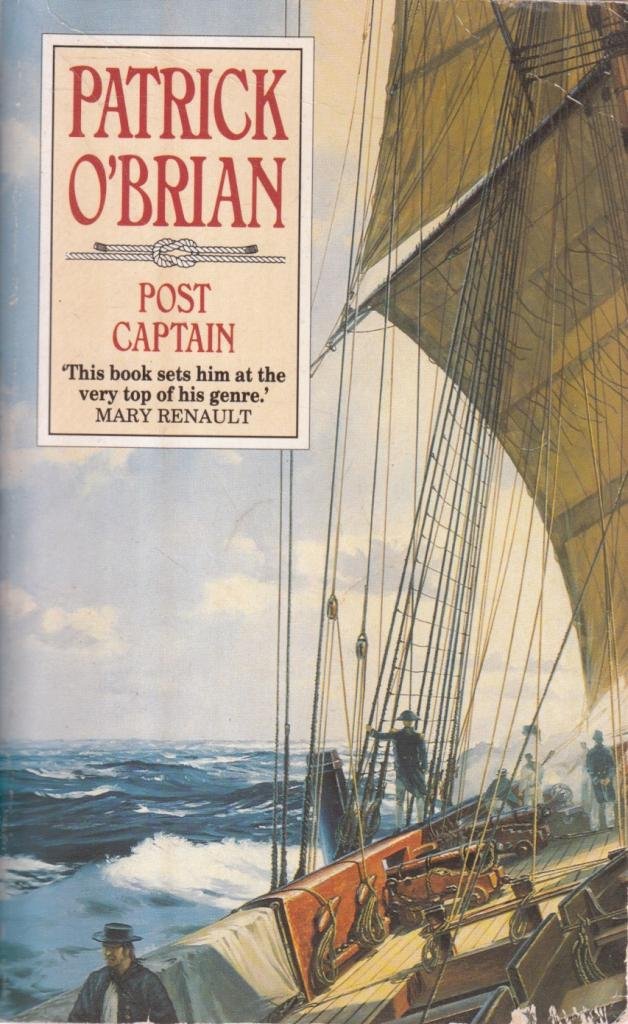
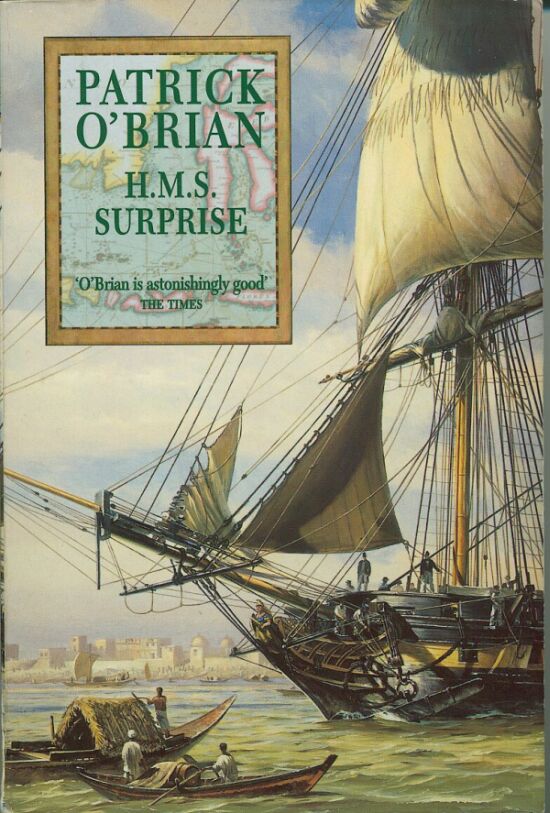
The series varies between styles, but at its core is about the friendship between the two: while two markedly different personalities, they complement each other, and both recognise this. There are elements that remain constant, but crucially O'Brian is also not shy to mix it up: Master and Commander (the first book in the series) is pretty overtly an ode to Hornblower, focussing on derring-do and naval action around the Mediterranean, but the following book, Post Captain, spends its first half as a regency romance, following a grounded Aubrey and Maturin during the Treaty of Amiens, renting a house in the countryside, paying a visit to their neighbours, and meeting the family into which both will marry throughout the series. One novel later, the pair find themselves bound for East Asia, and the book takes the air of a historical travelogue. Most of the novel's time and attention are spent on the process of the journey proper: shipboard life, their experiences at various ports and latitudes as they make their way around the Cape of Good Hope and into the Indian Ocean, and the like.
The good: dedication to the vibe
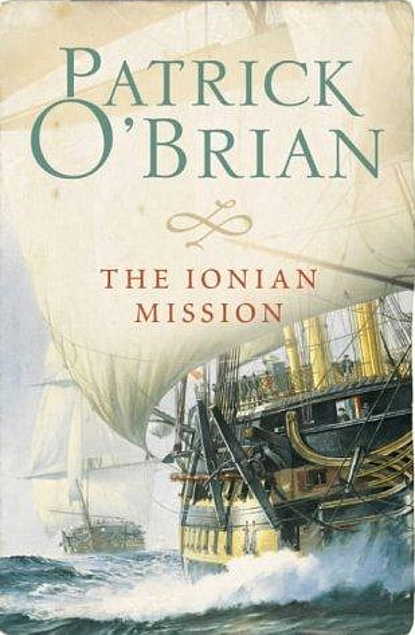
These are books seated in a particular time and occupation, and I feel O'Brian takes it as his God-given duty to immerse you in that place as thoroughly as he can. He admits frequently in his forewords that he's based his plots heavily on actual events recorded in Royal Navy accounts, and I think this is pretty emblematic of O'Brian's entire approach to the genre. Despite never having served in the Navy, O'Brian goes deep on nautical terminology, explanations, and scene-setting. He does some work to explain basic terms to the audience - to let you know why some sails are square and some are fore-and-aft, say - but you'll still find yourself reaching for your preferred general reference to determine what a strake is, or the difference between a wind's veering and its backing. O'Brian does not pull punches, something which I feel gets worse the older (and more recognised) he gets (something we'll get into a little later).
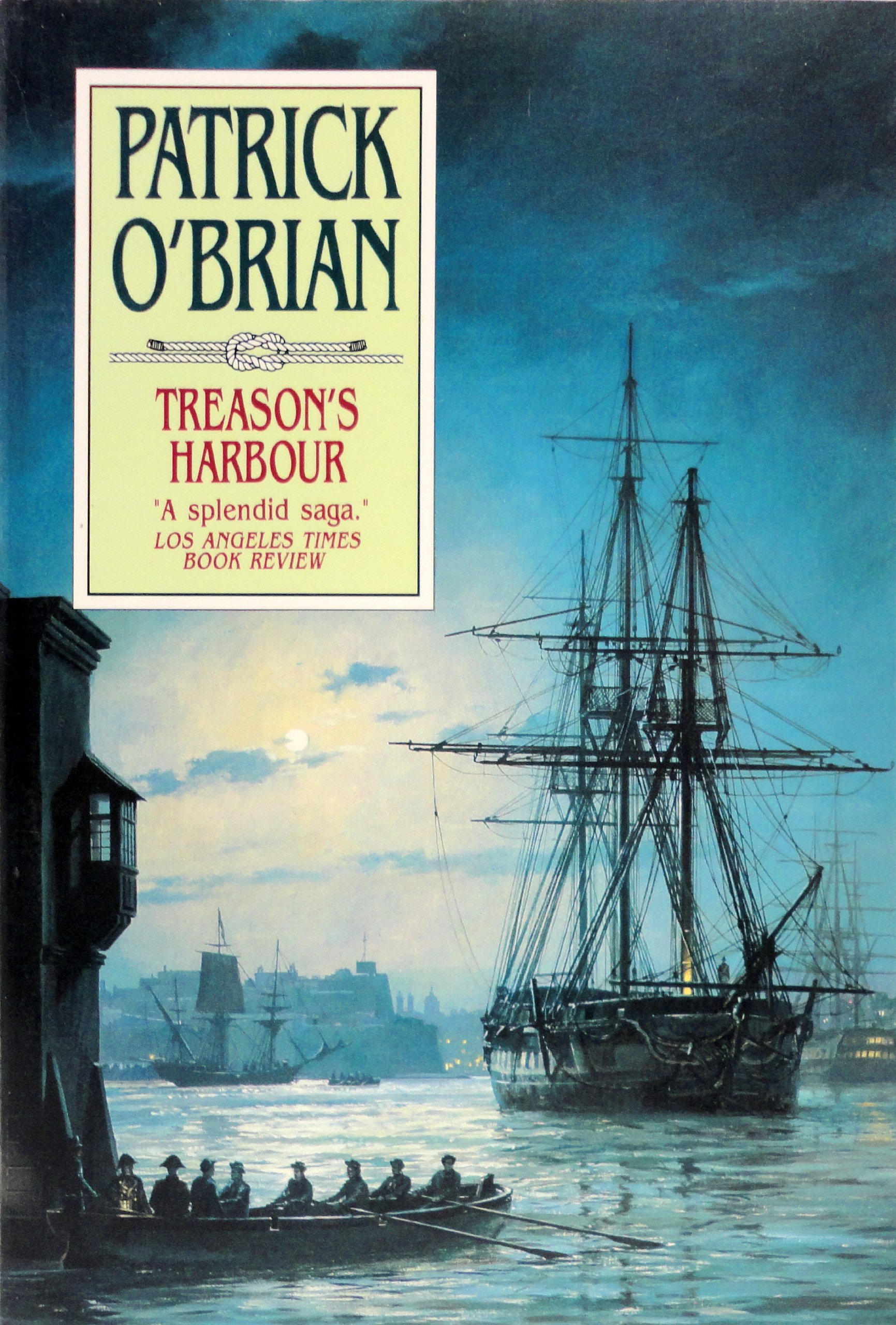
This means that sometimes you're wading through scenes trying to work out what it actually means that the other ship is luffing up on our protagonists, but it also means that the stakes feel real. Whether or not you've managed to internalise them, you can feel that this world is operating by a set of rules, and the players in it will win or lose by them. Outside of the battles, you're there with the crew, living their lives, seeing their dramas, getting a snippet of conversation as two crewmates pass each other on the deck. Wherever O'Brian decides to move the genre space, this feeling of lived-in-ness ties the series together.
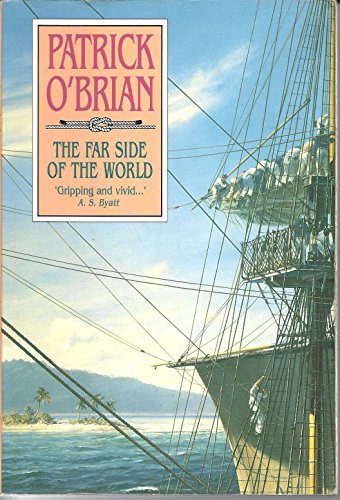
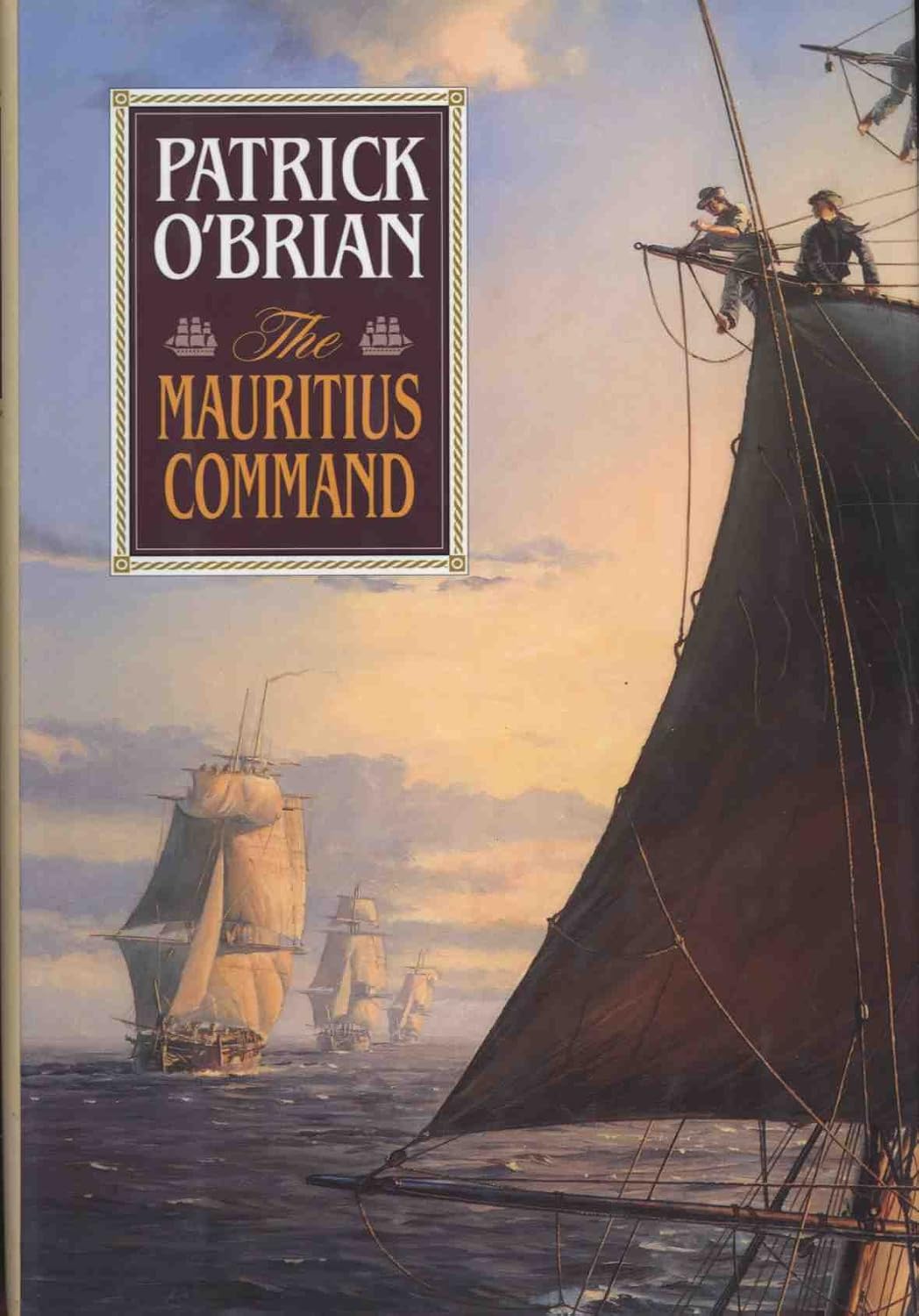
Speaking of which: O'Brian does an amazing job of changing it up over the series. We veer between action and intrigue, domestic romance and travel, and variations thereof, for the whole twenty books of the series. I will venture to gripe about the five-book sequence where our protagonists are effectively stranded in the Pacific, far from home, but this just brings up the scale at which O'Brian wrote. Some series would have the protagonists stranded, far from home, for half or even three quarters of a book, but O'Brian's dedication to the series, the world, and to playing the long game lasted (in terms of publication dates) from 1989 through 1995.
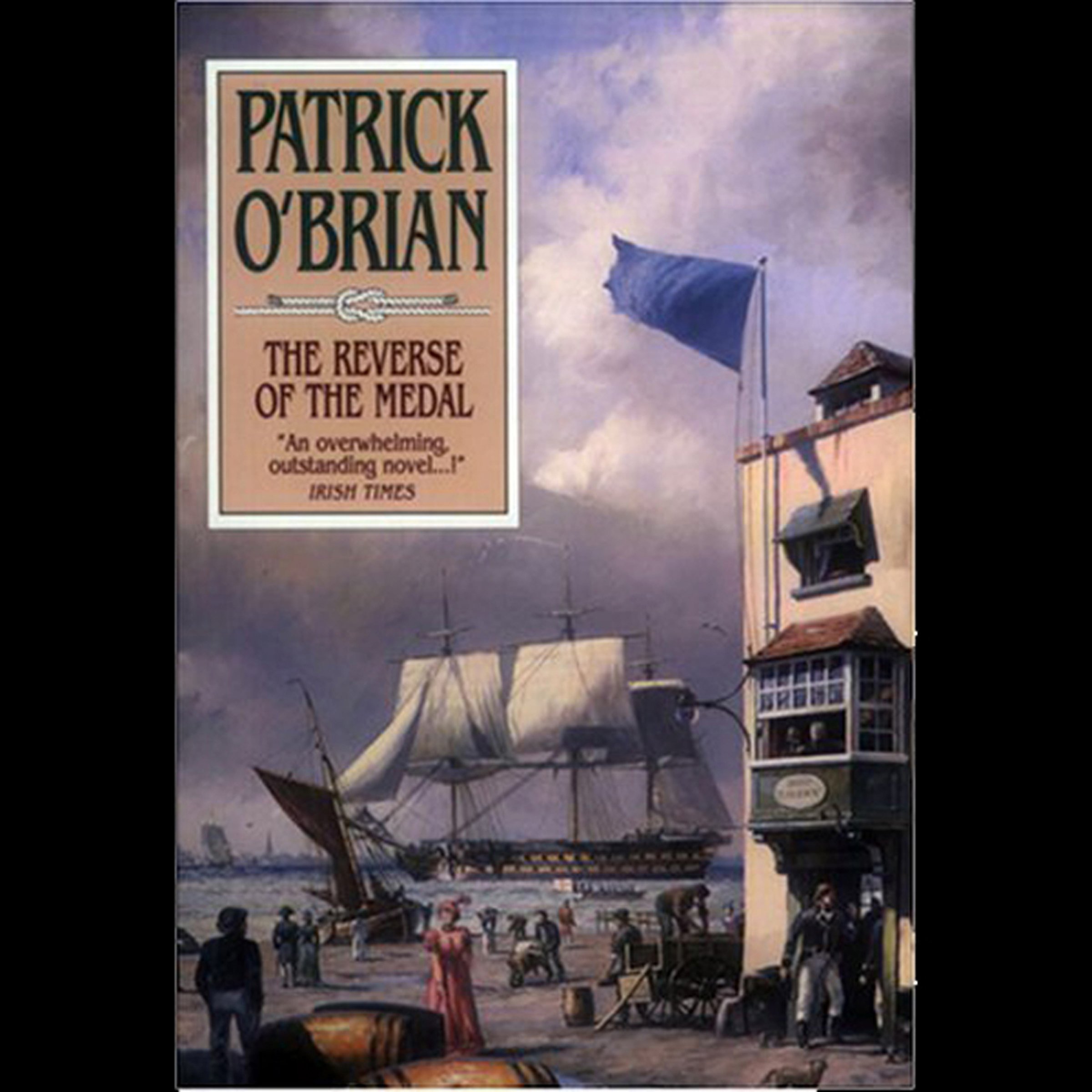
While the vibe definitely ties the books together, there's one final element that cements this as less a series of twenty books and more a twenty-volume novel, and that's the relationship between Aubrey and Maturin. These are characters who through the series gain and lose good friends, spouses, children, and relatives - but the relationship that lasts throughout, that's front and centre constantly, is that of these two friends.
The bad: a genre steeped in prejudice
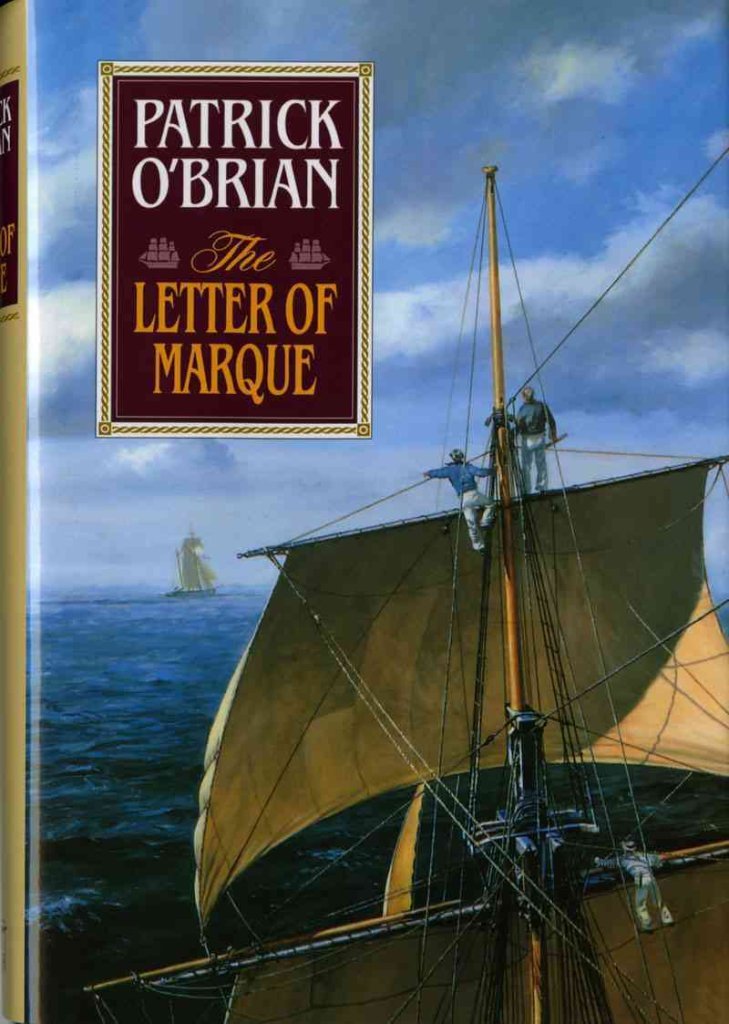
The other part of being seated in a particular time is that bugbear of, I feel, all historical fiction set in this time, and that's the attitudes of the society. By which I mean: this is not a book that centres women, queer people, or people of colour in any real way. Regency England is an exporter of colonialism, and the Royal Navy its weapon. These are not the people to question the assumptions or prejudices of the society that spawned it.
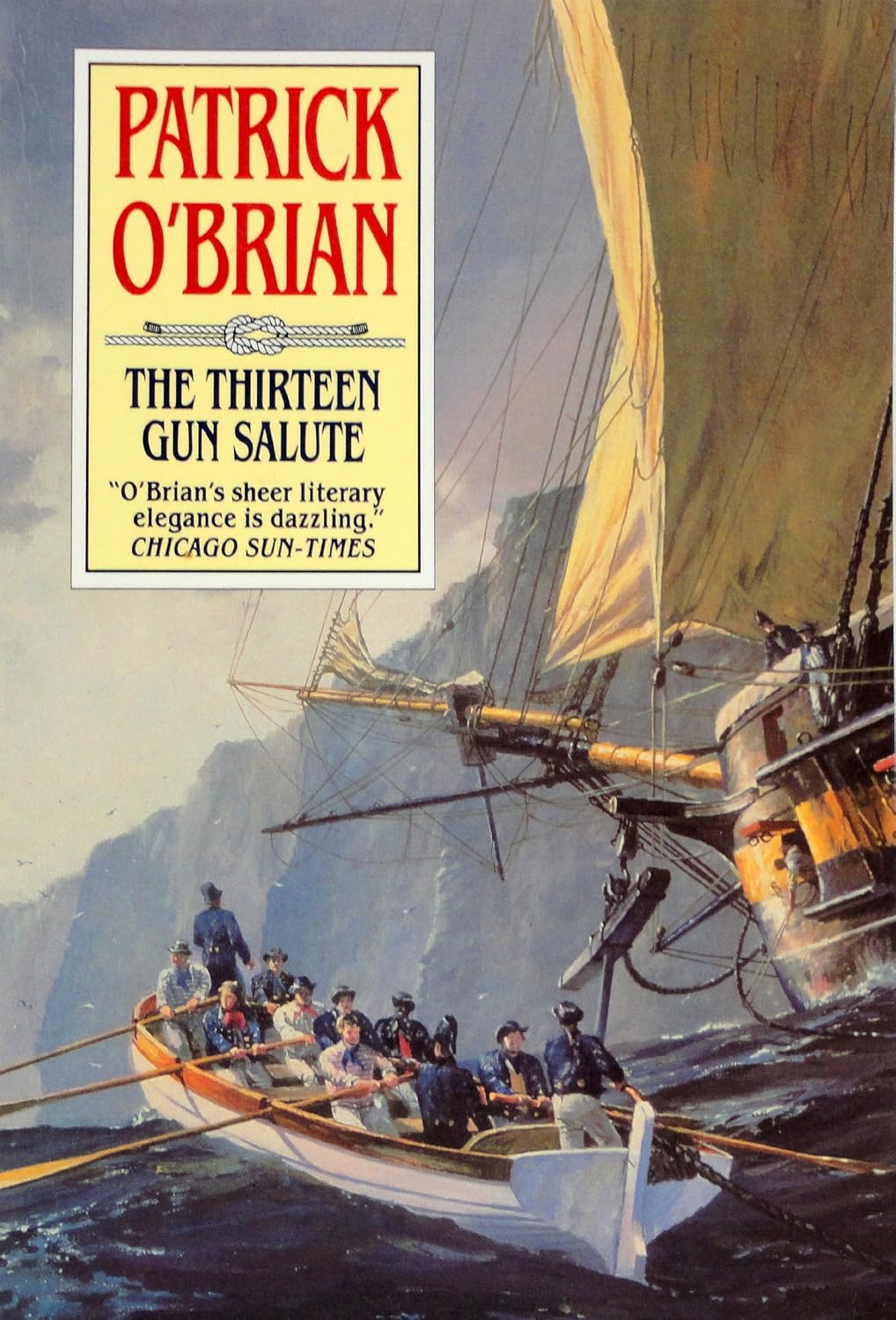
The women of the series, for example, tend to sit at the sidelines, meticulously caring for estates or carrying on their lives in the background, only to be mentioned in the perennial letters that main characters write, at the beginning or end of books as bookends to the action, or occasionally through a surprise visit home or extended arc ashore. To O'Brian's credit I feel that the female characters, when they do appear, are well-developed - although this does just mean you feel their lack of screen time all the more keenly when they're shunted to one side for a novel or three. (And of course all the on-screen romances are heterosexual: homosexuality is acknowledged in the navy, and Maturin and Aubrey at least state their tolerance of homosexuality as a concept, but to the best of my knowledge the few actual on-page examples consist of a scattering of effeminate, ineffective ship's captains, whose orientation is seen as a distraction at best and a vice at worst. In O'Brian's books, "Lesbian" means "someone from an island in Greece".) Later in the series, one of the more important female characters in the whole book dies. She's been a pivotal character, with strong and formative relationships with a number of other main and supporting character. And between one book and another, she dies. No final scene, no funeral...it's a weird and somewhat jarring end.
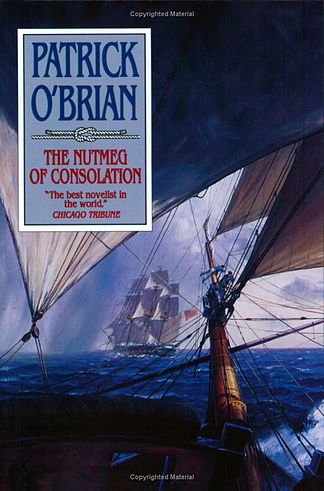
I won't go into much more detail because it's depressing going through a series you've generally enjoyed looking for the bad bits. But it feels that even the most self-aware author, writing in this era, must face the dilemma of either hewing to the mood of the time (and including, directly or not, the prejudices that come with it), or denying history (at which point, just write sci fi/fantasy and be done with it).
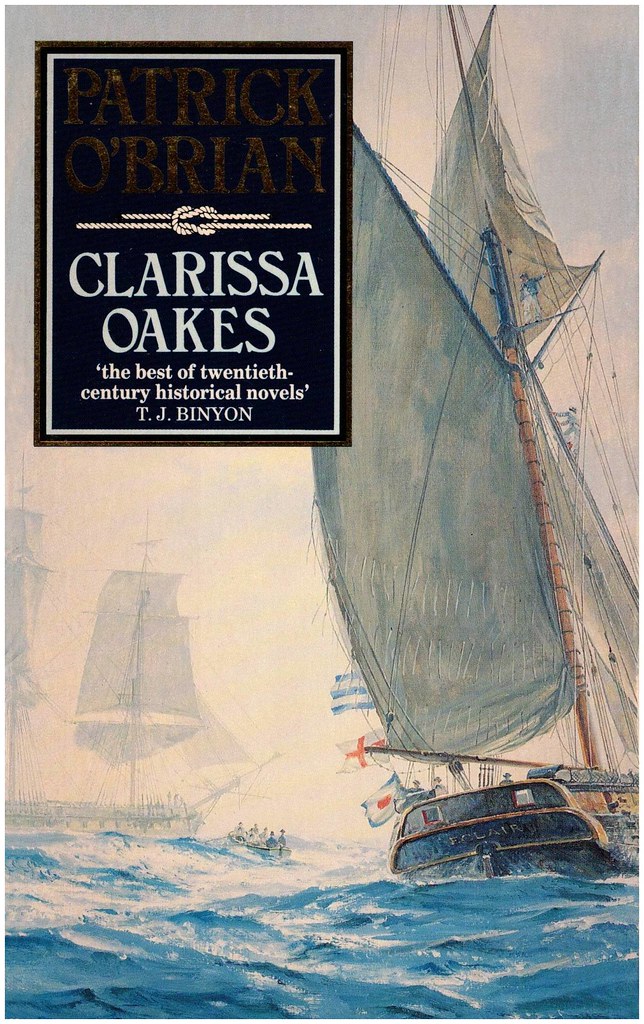
The other main drawback I found in this series made itself more evident the further I got into it: a growing vagueness in the plot. I'm not sure what it is, but early books just felt much more decisive in their action. As we progress, what were concise plotlines become more convoluted, more tangled in inter-country politics, or just more fluffy. Some of this may have been my brain, disengaging from the seventeenth plot that has the characters sailing off beyond the horizon, and some may have been O'Brian reaching for drivers following the surrender of Napoleon - I'm not one hundred percent sure. It's something I want to pay attention to if I ever do a re-read of the series.
The ugly: an aspirational autobiography
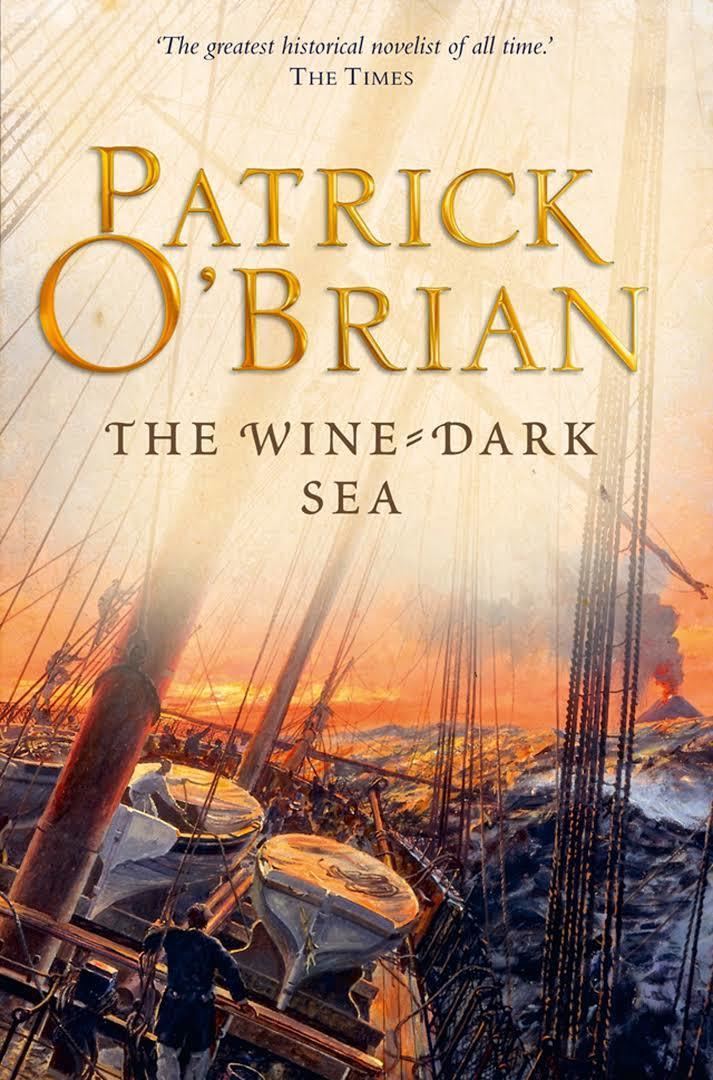
As you read through this series you start to realise that Maturin is a parallel for O'Brian: introverted, quiet, an academic immersed in intelligence. O'Brian was a quiet sort, but in interviews he'd talk briefly about his Irish childhood or his time working espionage during the Second World War.
But then:
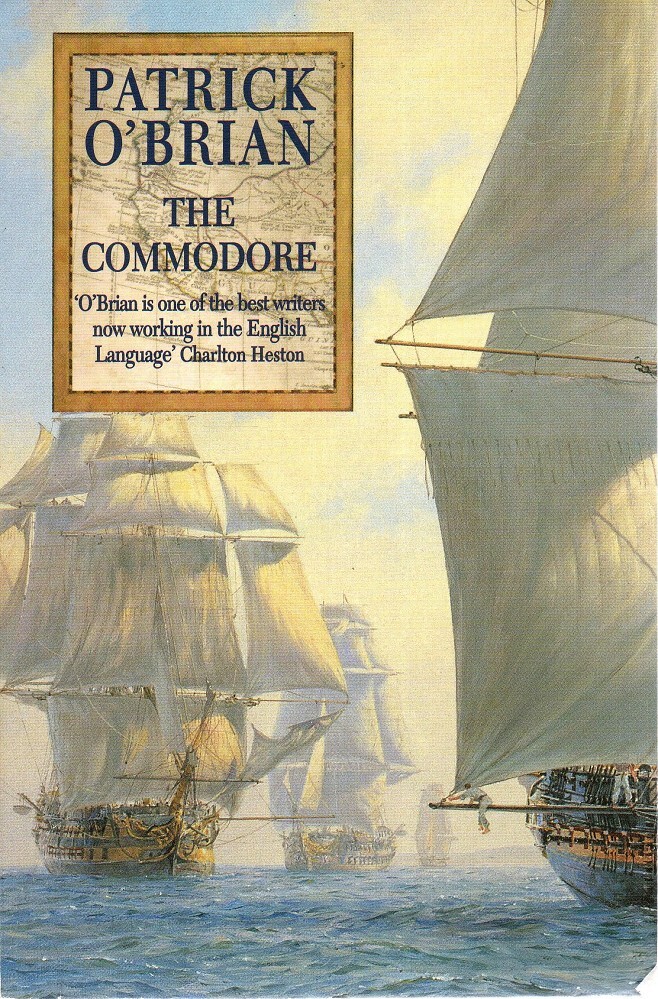
The Daily Telegraph, following up on biographical discrepancy in a BBC documentary, uncovered proof that Patrick O’Brian…was not Patrick O’Brian. He had invented huge parts of his own biography, lying about an Irish childhood (he grew up in England), a prolonged exposure to sailing vessels (he had never worked on a ship, perhaps had never been at sea), and the details of his education (he had never attended the Sorbonne, Eton, or Oxford). His name was not Patrick O’Brian, but Patrick Russ. He had changed it in order to sever ties with his first wife, Elizabeth, whom he had abandoned in the 1940s in order to begin an affair with Mary, Countess Tolstoy. In doing so, he had abandoned two small children—one of whom was fatally ill. He was permanently estranged from his surviving son Richard, who, according to Elizabeth, "thoroughly disliked" his controlling and bullying father. He was, she went on, "a violent and erratic man," whose "passion for culture…overrode all human considerations."
- Read the Novels and Forget Everything Else - The Hedgehog Review
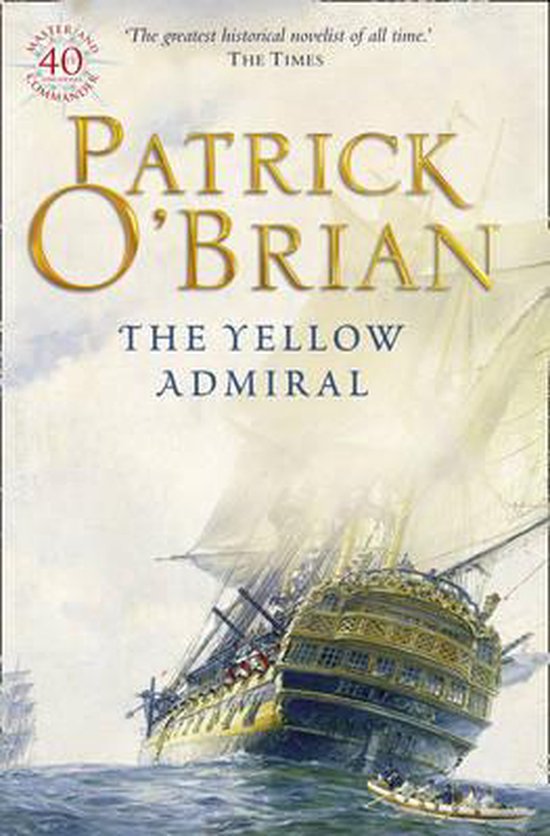
With this in mind it's hard not to read the last few of the novels with a hint of sadness, partly for the fact that O'Brian felt the need to invest this whole history for himself, and partly for the bitterness he must have felt (however deserved) that the public knew his carefully-invented history was just that.
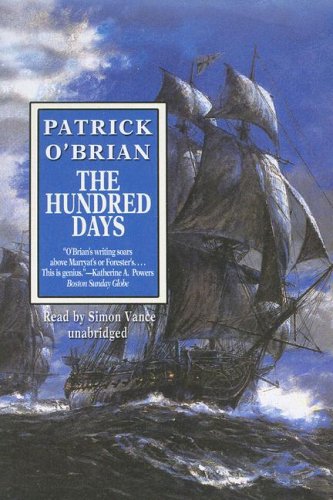
I'm sure there's some profound link to be made between the lies O'Brian told about his past, and the stories he told about Aubrey and Maturin, but fo the life of me I can't make it. I read about all of this around five books in, and I remember feeling first a sense of betrayal that our dry-witted and knowledgable storyteller wasn't everything he made out he was, followed by an immense sense of empathy, seeing the figure behind the carefully-constructed façade. In fact, it provides another viewpoint on Stephen Maturin, the clear author surrogate, given his anxiety and over-introspection (especially in contrast to Aubrey's decisiveness and sureity of action).
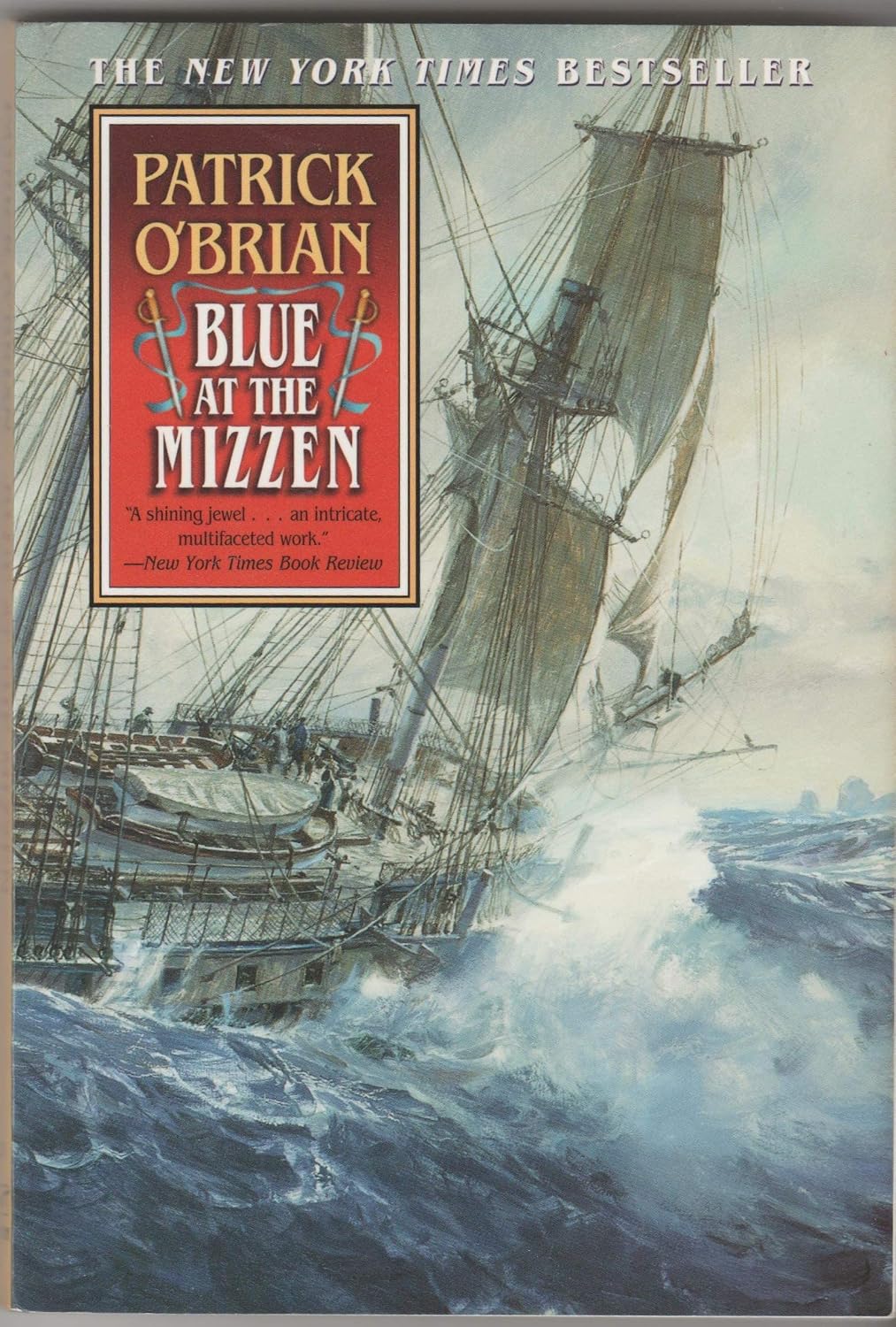
If I were to speculate, I could wonder about how much this says of Maturin as a reflection of O'Brian's idealised self. And in that vein I can't help but wonder about the strong bond Maturin shares with Aubrey. O'Brian dedicated his life to naval fiction, despite being passed over for actual naval service due to medical reasons. To the best of my knowledge, there was no historical Aubrey to match O'Brian's Maturin, no confident and forthright expert on naval matters to guide him through the archives of the Royal Navy. I kind of wonder if that relationship was another aspirational part of the Maturin character.
I never read the final book in the series - it remains unfinished, as it was when O'Brian passed away in 2000. I can't say that I felt an urgent need to[4]. I may well return to the series someday, when I feel the need for another six-month undertaking, but for now this quest through one author's magnum opus is complete and I'm free to read books by literally anyone else.
Likely because nine times out of ten Britain is the tyranny other folks are being the bulwark against. ↩︎
Actually Master and Commander: The Far Side of the World. I don't know why they bothered with the subtitle, except, I guess, to alert you that this film isn't actually based on the novel Master and Commander. ↩︎
As O'Brian is apt to remind us at every turn, rank in the Royal Navy goes (or went): Midshipman, Lieutenant, Commander, Captain, Admiral. Only a Commander or above can captain an actual ship, but anyone in charge of a ship is referred to as a "Captain" even if they don't merit that rank formally. If you think that's needlessly complex and mired in tradition, you ain't seen nothing yet. ↩︎
C. S. Forester similarly left an unfinished novel, which I found unfulfilling. ↩︎